Writing about political and military developments in the Middle East has distracted me from writing about my primary interests: travel, peoples, cultures, religion, and history. A short photo essay about my student days in Damascus in the 2000s when I studied Arabic at Damascus University.

I lived in the Bab Touma (“[St.] Thomas’s Gate”) quarter of Damascus. It was predominantly Christian, with numerous churches of various denominations. I loved how Syrian Christians celebrated Sunday services: kids and adults would dress in their “Sunday best” and attend services; kids looked adorable in Sunday finery. It was a charming cultural phenomenon that, hopefully, has survived the horrific U.S.-backed war in Syria. It amazes me that American Evangelicals supported wars in Iraq and Syria that killed, maimed, or displaced tens of thousands of devout Christians.
The first person I want to mention is Yusuf. He was a Christian shopkeeper near where I lived. I visited him daily for groceries. A charming and friendly man. I often wonder what happened to him. Did he survive the U.S.-backed war? Did he become a refugee? Of course, he was elderly when I knew him and may have passed from natural causes. I think frequently about dear Yusuf.

The house in which we lived overlooked the old defensive walls of Damascus. We often slept outside due to the summer heat. But the mosquitos were awful; they had a thing for yours truly. Apparently my blood type was a mosquito’s culinary equivalent of Kobe steak!
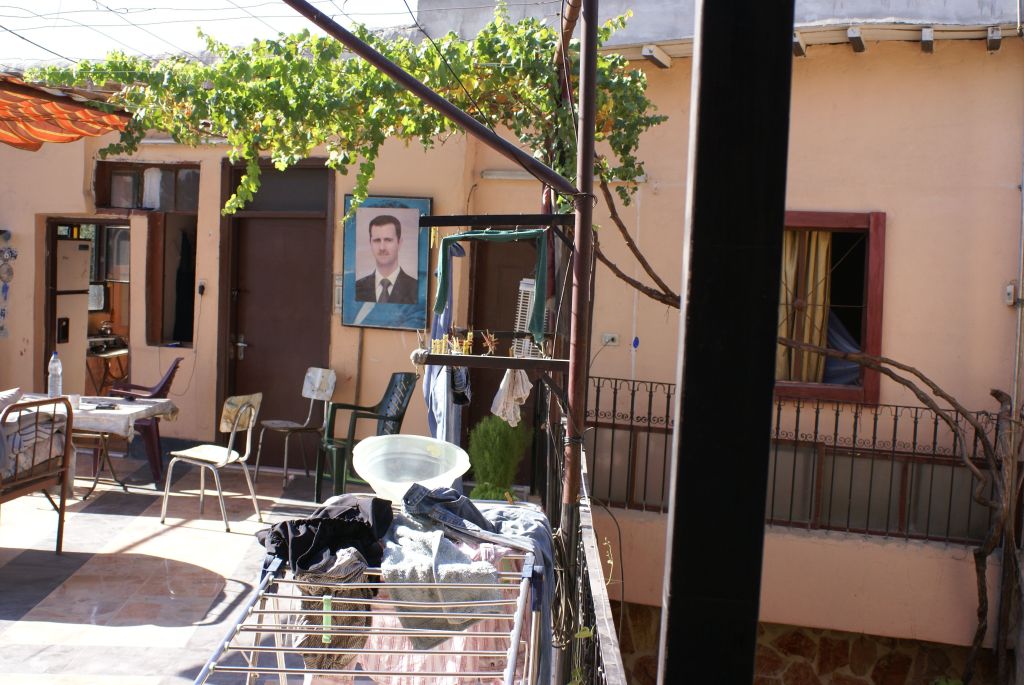
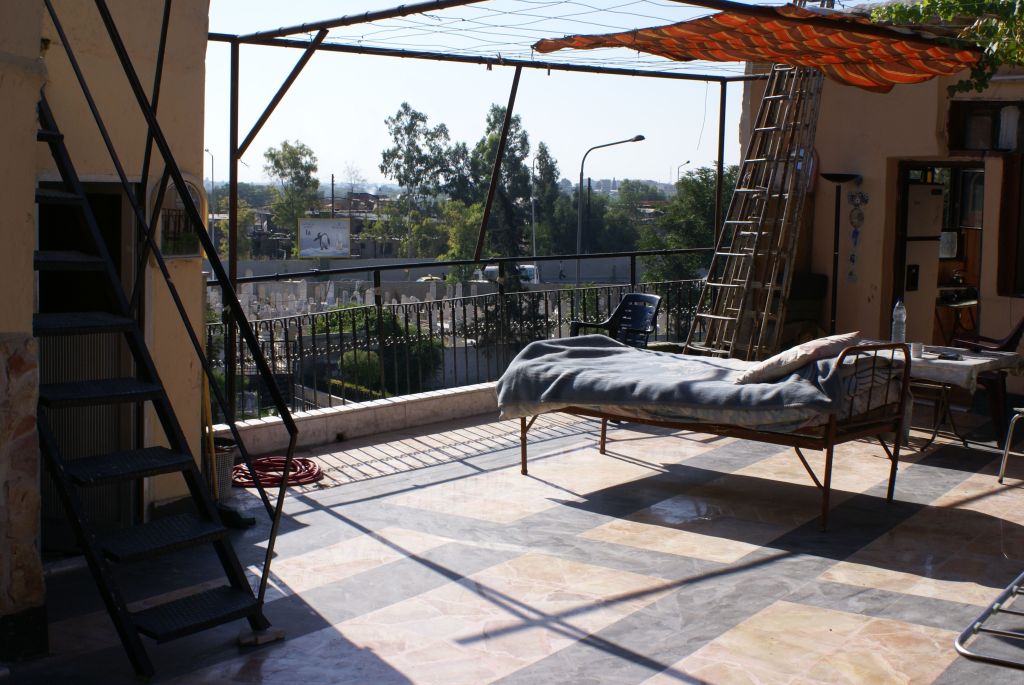
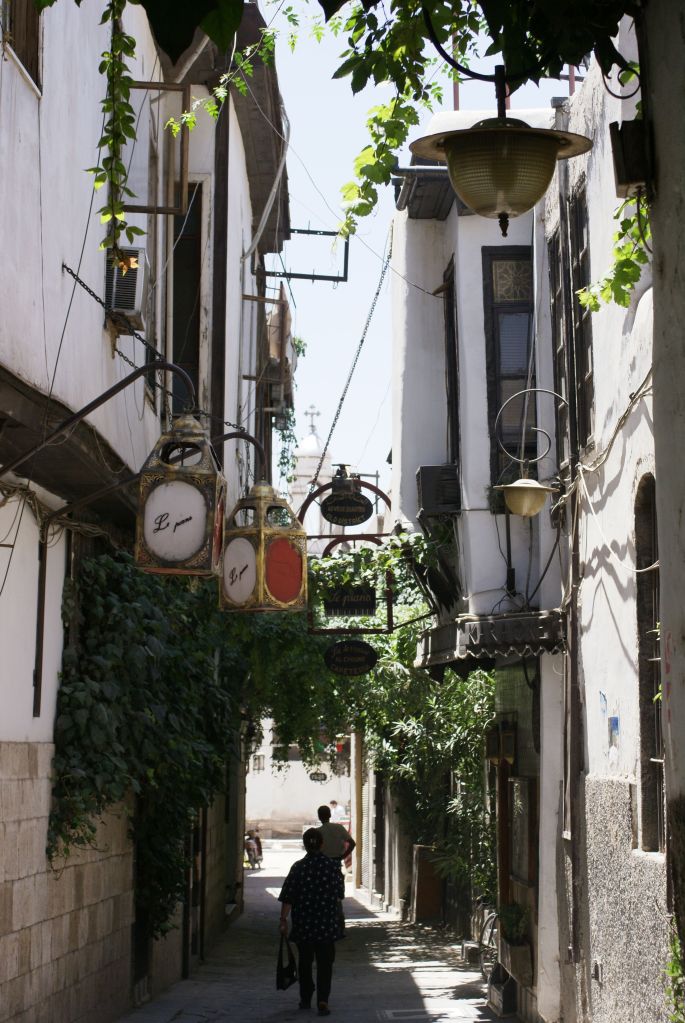
If the house was charmless, the neighborhood was quite charming. I lived near the Grand Umayyad Mosque. The narrow streets and alleys of the Quarter were beautiful; some passageways reflected the influences of French colonizers.
In the evenings we often went to cafés for tea and shisha; I did not smoke shisha (I prefer getting lung cancer the old-fashioned way). We often enjoyed listening to this gentleman, known by his title, hakawati—story-teller—tell tall tales. It also helped us acquire better comprehension of spoken Arabic.

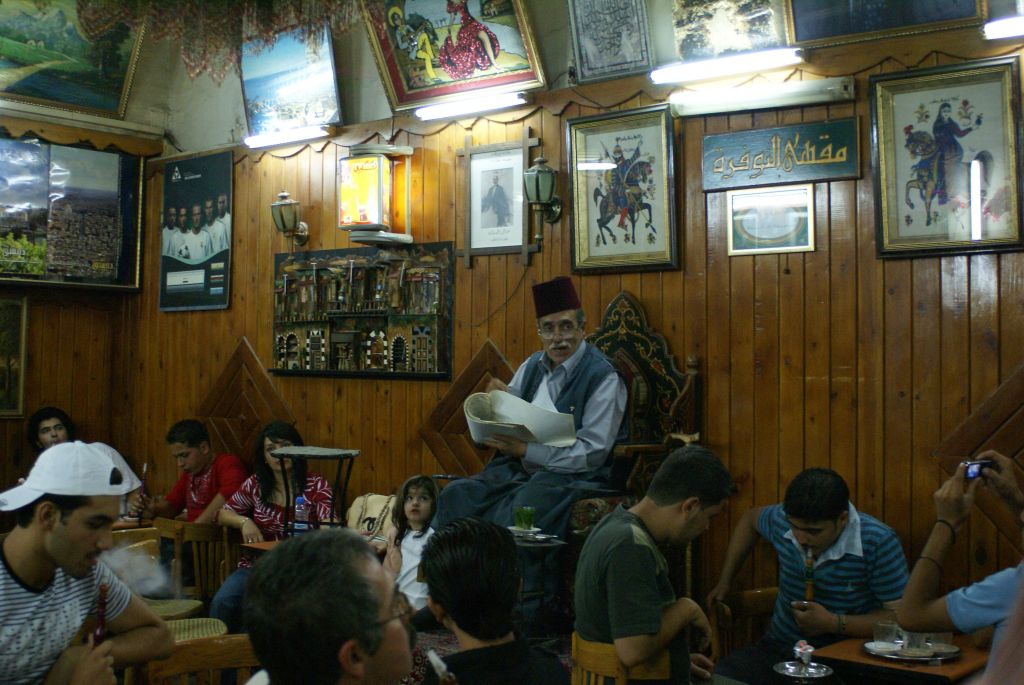
Story-telling is an ancient Arab tradition that predates Islam, where someone entertains a gathering with poetry or stories. Pre-Islamic Arabia was an oral society: poetry and stories were memorized and narrated. al-Qurʾan, or “The Recital,” was not a written text at first; it was memorized and recited. The text was codified under the third caliph, Uthman (d. 656), because the number of people who had memorized the Qurʾan was dwindling, and it became necessary to preserve the Surahs; hence the “Uthmanic Codex.”
 Perspectives
You must be logged in to post a comment.