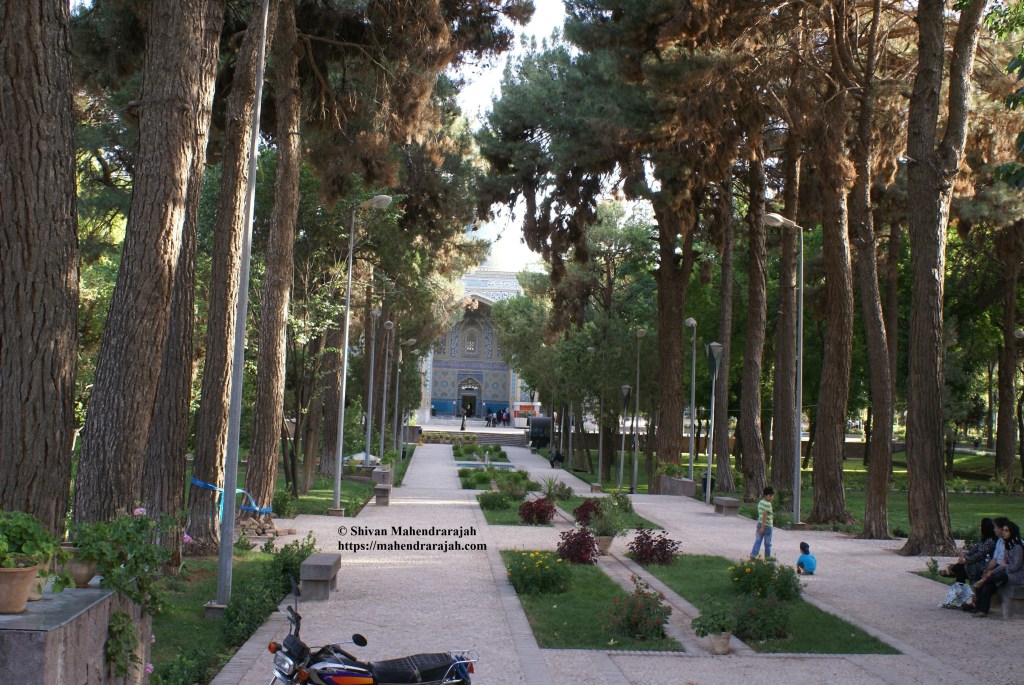
The city of Nishapur, erstwhile capital of the Nishapur Quarter of Khurasan, has the dubious distinction of being ruined often by earthquakes and invaders, but then rising from the ashes. It was home to renowned Iranian poets, Omar Khayyam and Farid al-Din ʿAttar, whose works are still widely-read and enjoyed by Persian-speakers and non-Persians alike. Nishapur was devastated in Safar 618/April 1221 by the Mongol army commanded by Tolui, son of Chingiz Khan. Tolui ordered the razing of Nishapur and general massacre (qatl-i ʿamm). A victim of the massacres, legend has it, included ʿAttar. Nishapur thrives as a modest and quintessentially-Iranian city: manicured gardens (sgl. bagh) and plazas (sgl. maydan);[1] tree-lined boulevards and streets; attractive homes, shops, and mosques (see Figure 1, above, an exemplar). Nishapur is charming, clean, and safe.
We only have literary descriptions—albeit terse notices—on the pre-Mongol city of Nishapur and its citadel. The citadel had two gates and city had four. But we do not know how many towers were located at intervals along the defensive walls or citadel, nor how high they stood. Generally, towers were set a bowshot apart, thereby allowing archers to cover firing zones and prevent attackers from creeping forward. The battlements had parapets on which were placed archers, with steps leading down to so reinforcements and supplies could reach archers.
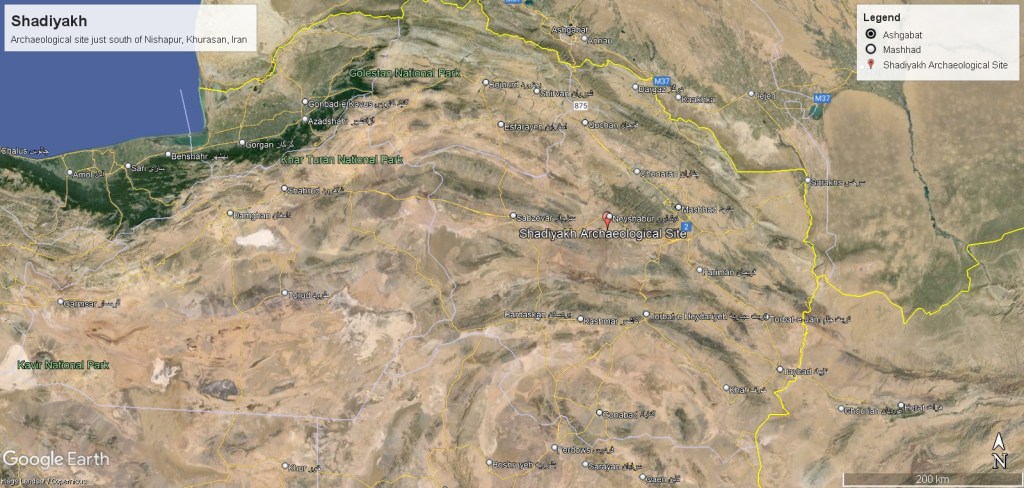
An archaeological site that survives is Shadiyakh, which predates the Mongols. It is located just south of modern Nishapur (see Figure 2). Shadiyakh developed as a fortified palace when Nishapur became the provincial capital of ʿAbdallah bin Tahir (213-30/828-45), the Abbasid caliph’s governor of Khurasan. Tahir made Shadiyakh his headquarters, which, for obvious reasons, was fortified. The Tahirid family (205-59/821-73) became regional rulers of Iran.
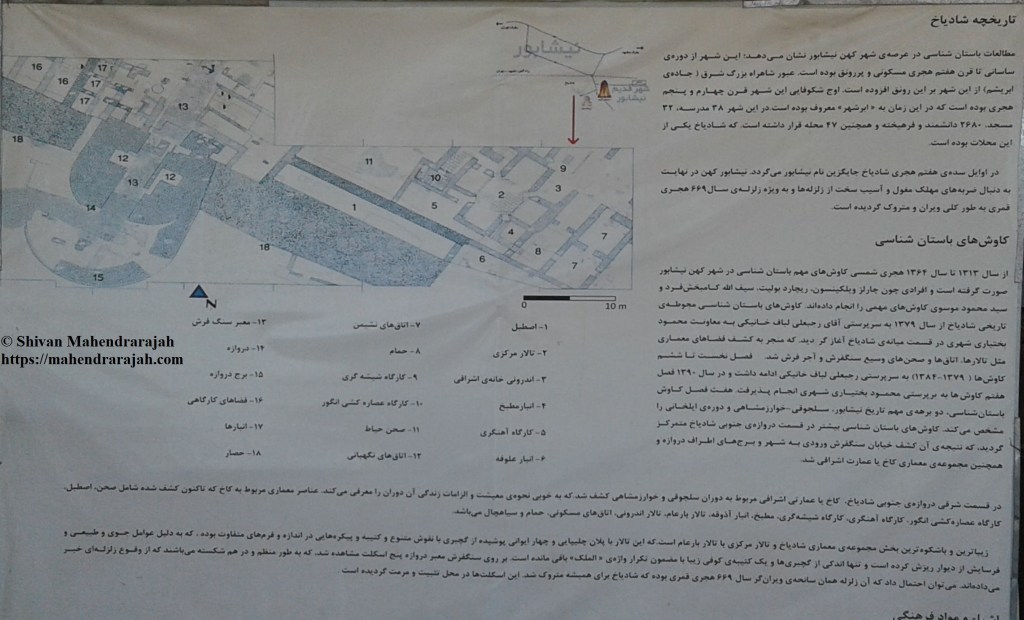
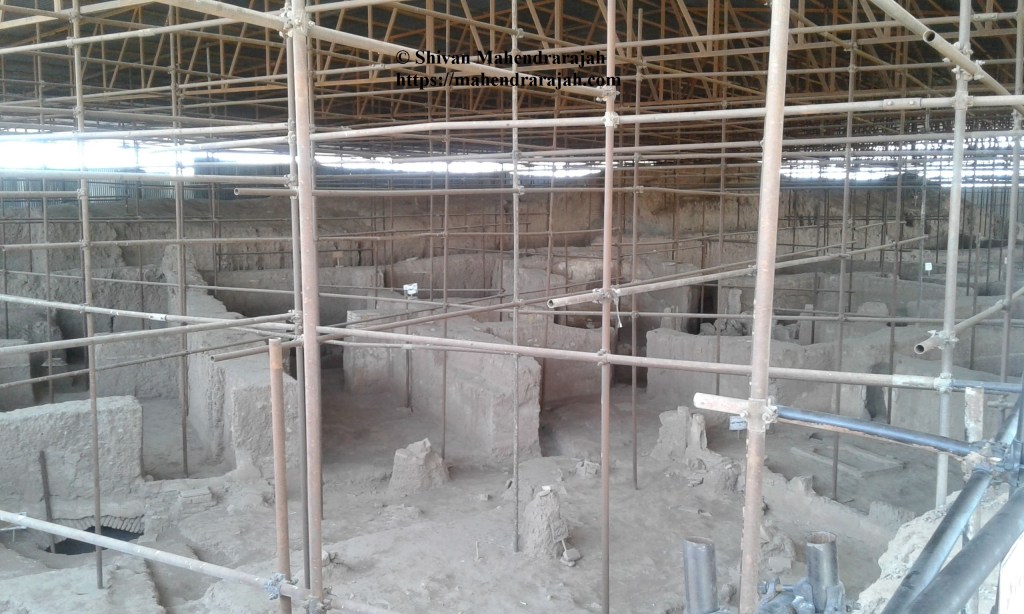
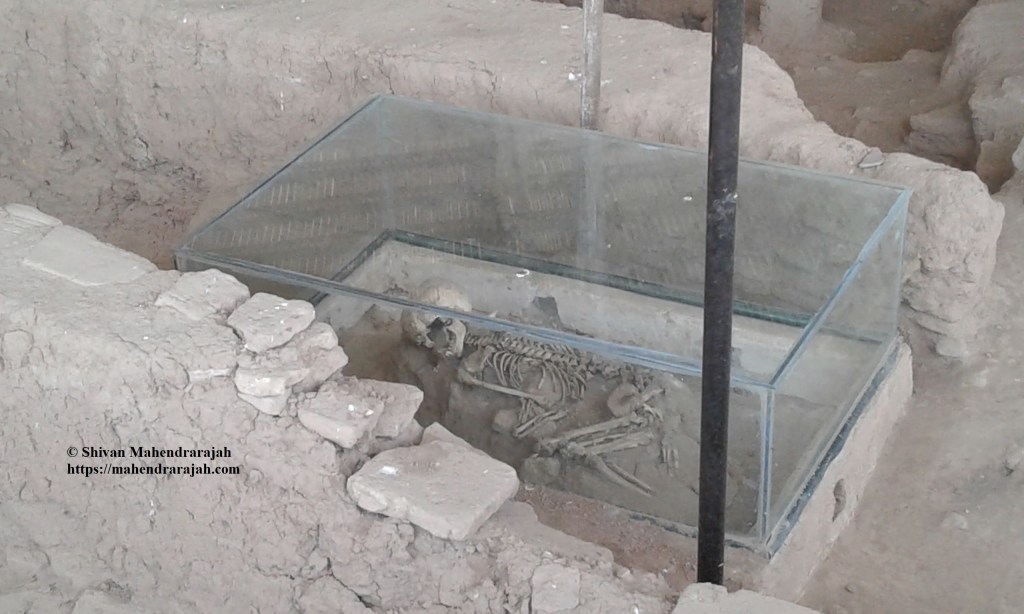
The sketch of the Shadiyakh site (see Figure 3, above) shows the layout. Figure 4 is an overview of the site; and Figure 5 is of skeletal remains found during the excavations.
You can read more about Mongol and Iranian warfare and defensive postures of citadels and fortified settlements in my History of Herat, from Chingiz Khan to Tamerlane.
[1] As in ‘Maidan,’ Kiev. Word entered Russian through Turkish, assuredly when the Turco-Mongol ‘Golden Horde’ ruled Russia.
 Perspectives
i love your blog its amazing . please think about visiting mine
I will follow and give a like! My Blog is about Lake Garda in Italy Check it here http://www.lakegardatourist.com
LikeLike
Thanks. Tried visiting but got 404. Site shows up in Google search, but when I click link, 404
LikeLike