Yalta Conference (Crimea), 8–11 February 1945, was handily won by Stalin due to superior intelligence provided by NKGB on British and American thinking.
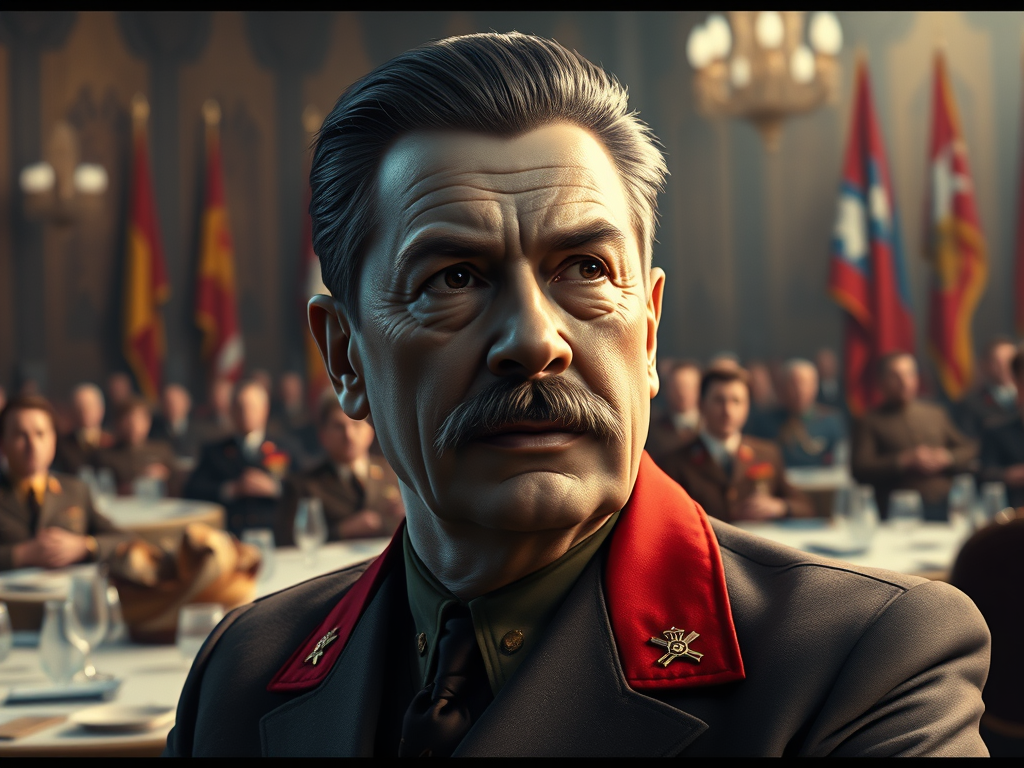
80th Anniversary of Yalta Conference
Since we are at the 80th anniversary of the conference, a note on how Soviet intelligence outmaneuvered the Brits and Americans. The Yalta story has been told from different angles; literature on this subject is widely-available. What is clear is that Stalin got the best deal. How he got it is the essence of this essay.
Soviet Espionage
The American and British delegations were housed, respectively, at Livadia Palace and Vorontsov Palace. Both residences were saturated with electronic listening devices. “When Churchill’s daughter, Sarah, casually mentioned that lemon went well with caviar, a lemon tree appeared, as if by magic, in the Vorontsov orangery.” (C. Andrew, Sword and Shield, e-book). Although the Soviets went to lengths to distract the Anglo-American delegations, it is clear that neither the Brits nor Americans exercised rigorous counter-surveillance methods.
Stalin had a better flow of detailed intelligence at Yalta than he had at the Tehran Conference. This was in large part due to the Cambridge Spies, all of whom supplied classified intelligence or Foreign Office records. Moreover, Alger Hiss was attached to the American delegation.
Soviet domination of Poland had been conceded at Tehran, but when Roosevelt and Churchill insisted on the restoration of democracy and free elections in Poland, Stalin pretended to horse-trade but knew where his opponents stood due to intelligence supplied by the Five and electronic sources. In the end, the Allies received nothing of value regarding Poland.
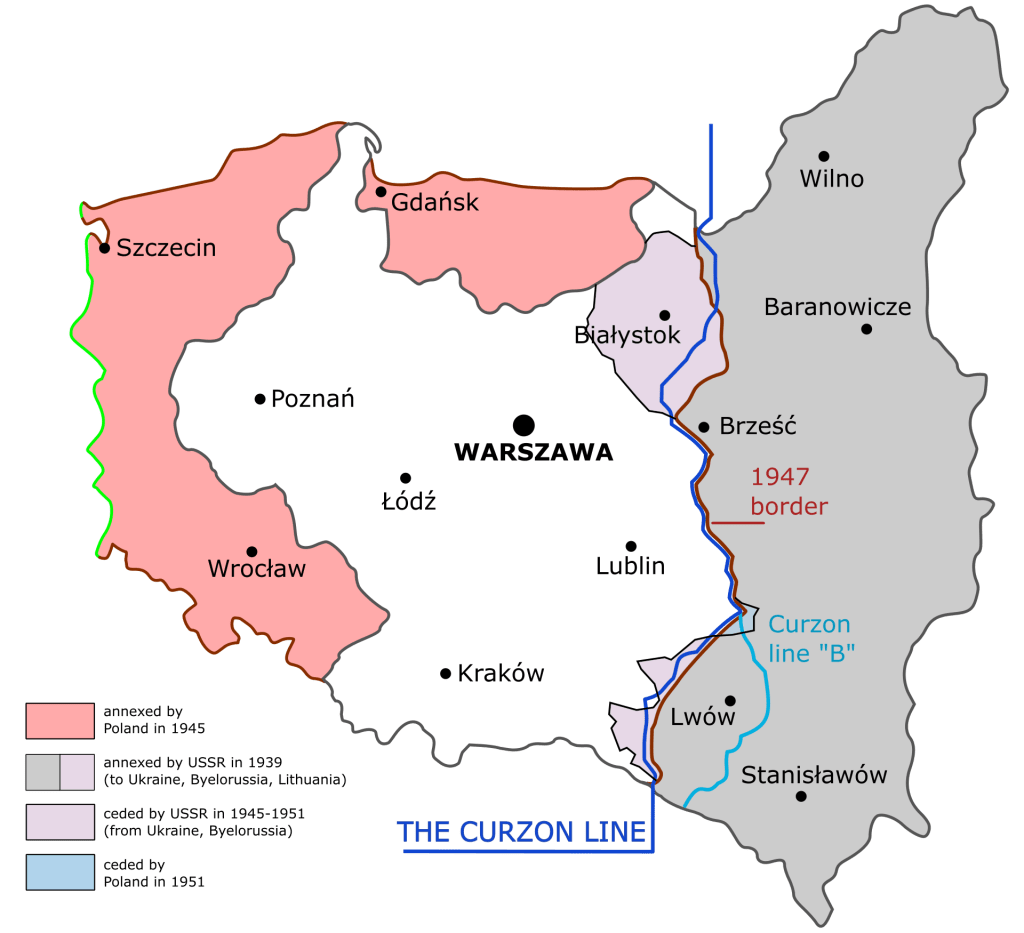
Modern Poland
Poland (Republic of Poland, 1947–52; Polish People’s Republic, 1952–89) was politically-dominated by the USSR through the Polish United Workers’ Party (Polska Zjednoczona Partia Robotnicza; 1948–1990). There were no free elections. Poland’s borders shrank and minorities were transferred. Ukrainians in Poland were sent east; Poles in the Kresy region (eastern borderlands of Poland) were transferred to Poland (the land we know today), and Kresy was incorporated into Ukraine, Belarus, and Lithuania. Large-scale population transfers made Poland ethnically-homogenous, with few minorities.
Assessment of Yalta Conference
Prof. Christopher Andrew wrote, “Roosevelt and Churchill left Yalta with no sense that they had been deceived about Stalin’s true intentions. Even Churchill, hitherto more skeptical than Roosevelt, wrote confidently, ‘Poor Neville Chamberlain believed he could trust Hitler. He was wrong. But I don’t think I’m wrong about Stalin’.”
 Perspectives
You must be logged in to post a comment.