The Assad regime afforded protections to Syria’s diverse minority faiths: assorted Christian denominations, Alawi Shiʿa (Nusayri), Druze, and Twelver Shiʿa. The Barbarians are inside the gates; the future of Syrian Christianity is uncertain. A photoblog, with commentary on Christianity in Damascus and Ma‘aloula.
Damascus (Dimashq)
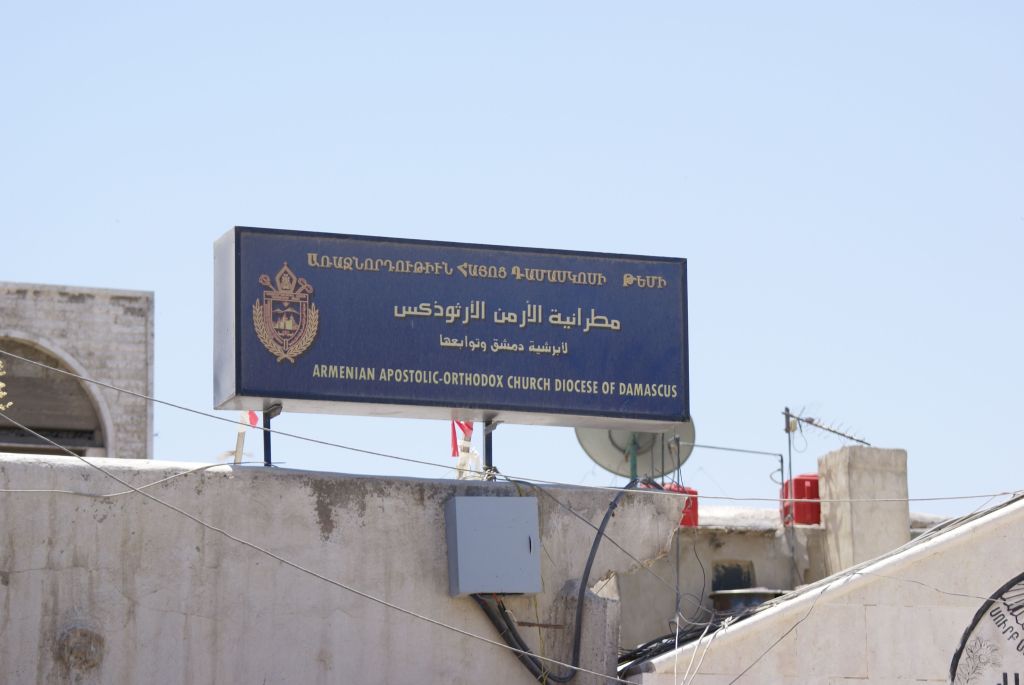
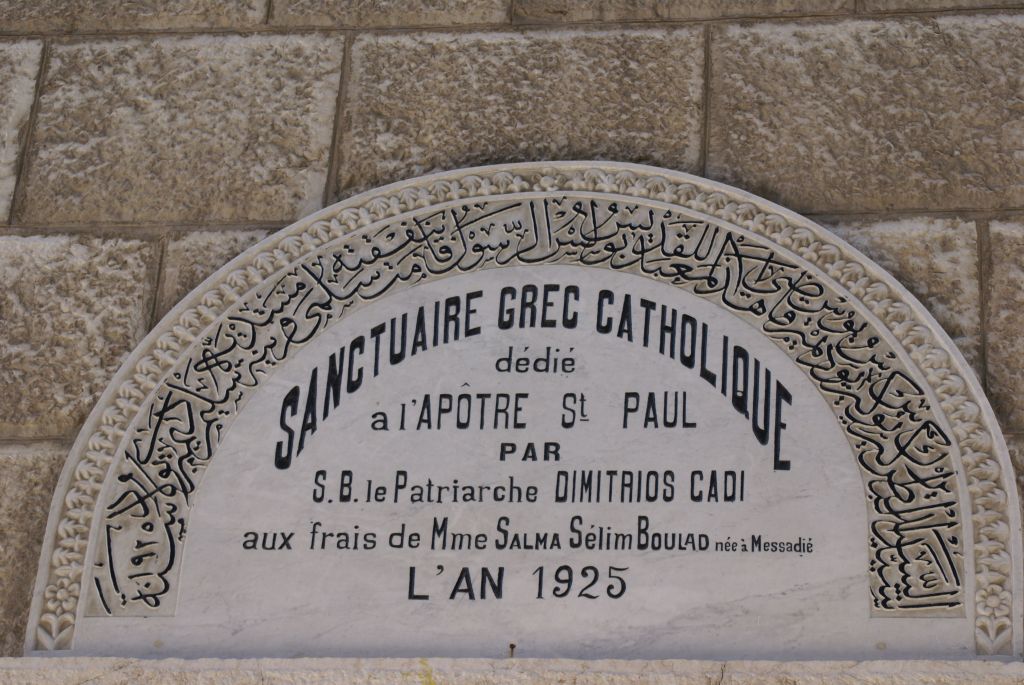
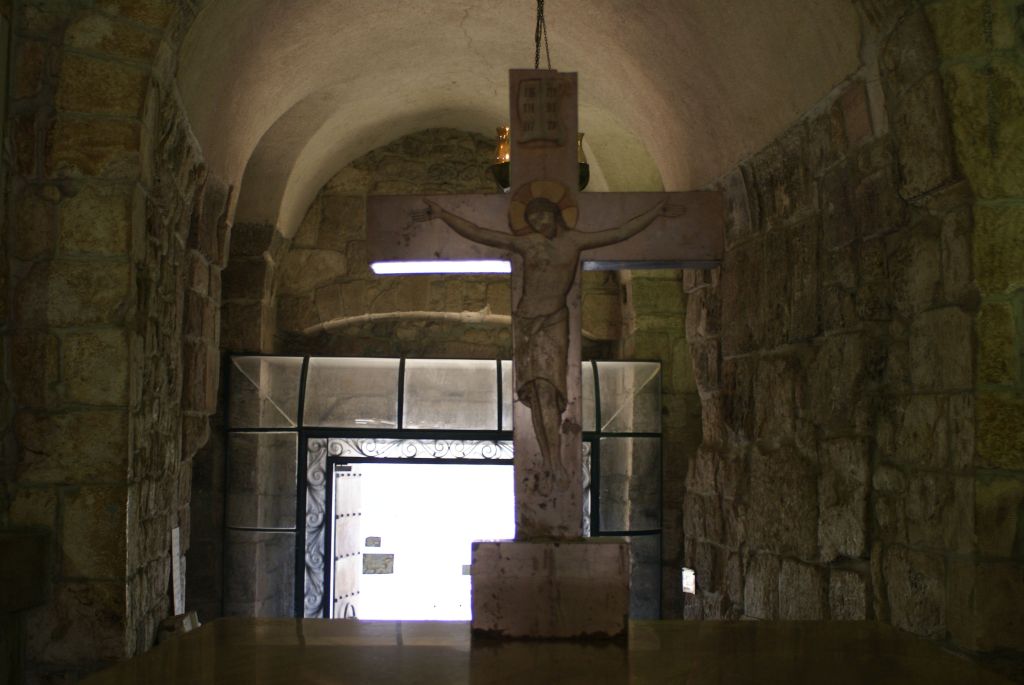
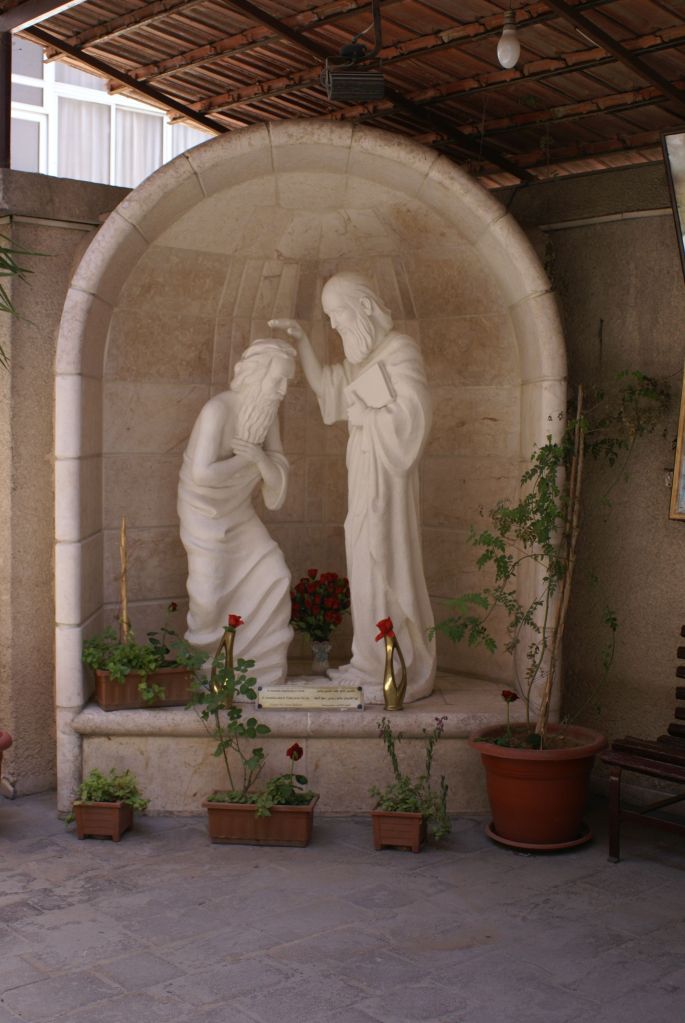
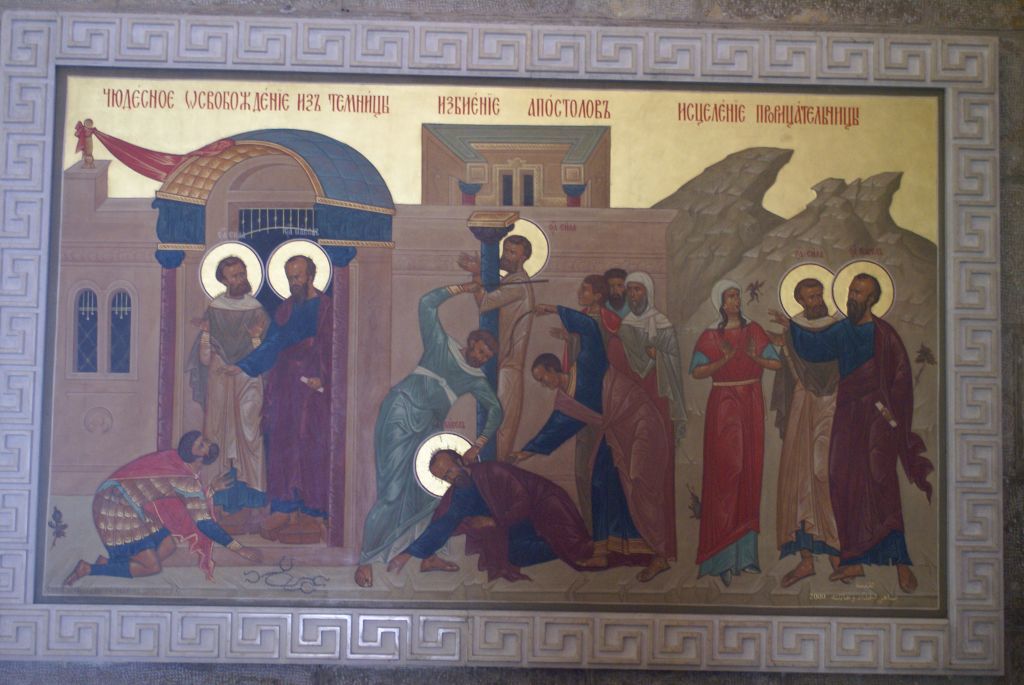
Damascus is generally associated with Islam. It was the capital of the Umayyad Dynasty (661–750 AD) and eponymous mosque. However, Damascus’s association with Christianity includes mentions in the Bible. For example, “Straight Street” (Latin: Via Recta), on which lived Saul of Tarsus (later Paul the Apostle): “go into the street which is called Straight, and inquire in the house of Judas for one called Saul, of Tarsus…” (Acts 9:11, KJV). Paul, needless to say, had his epiphany—his “road to Damascus” moment—on the road to Damascus! When the Jews of Damascus tried to kill Paul, he escaped the city. An image below depicts him being lowered over the walls of Damascus in a basket.
The upshot is that Damascus remains home to manifold Christian denominations. An estimated 25% of the population was Christian before the U.S.-backed civil war began in 2011 (see discussion on CIA Operation Timber Sycamore). Given that the Syrian refugee crisis will only worsen following the victory of U.S.- and Turkish-backed takfiri terrorists, it is unclear what percentage of Syria’s remaining population is, or will remain, Christian.
I lived in the Christian Quarter of Damascus, in the Bab Touma (St. Thomas’s Gate) neighborhood. I used to marvel at how seriously Christians of Damascus practiced their faith. On Sundays, the city’s Christian denominations dressed in their “Sunday best” for Mass at their respective church. Church attendance was well-practiced, followed by meals with family and friends.
Christianity in Syria, like Christianity in Iraq after the U.S.-led war, suffered during the civil war. Hundreds of thousands of Iraqi Christians fled the country, further eroding the two millennia-long Christian presence in the Middle East.
Blame for the demise of Christianity in Iraq falls squarely on the Bush Administration and successive American governments. It is ironic that so-called Christians (American Evangelicals and/or Christian Zionists) are the most zealous American advocates of pro-Israel wars that, inter alia, ravage Christian communities in Lebanon, Syria, Iraq, and Palestine. Hundreds of thousands of Christians, including priests and nuns, have been massacred, maimed, raped, or displaced by the Zionists and takfiris that successive American governments have armed and funded.
Ma‘aloula (Maʿlūlā)
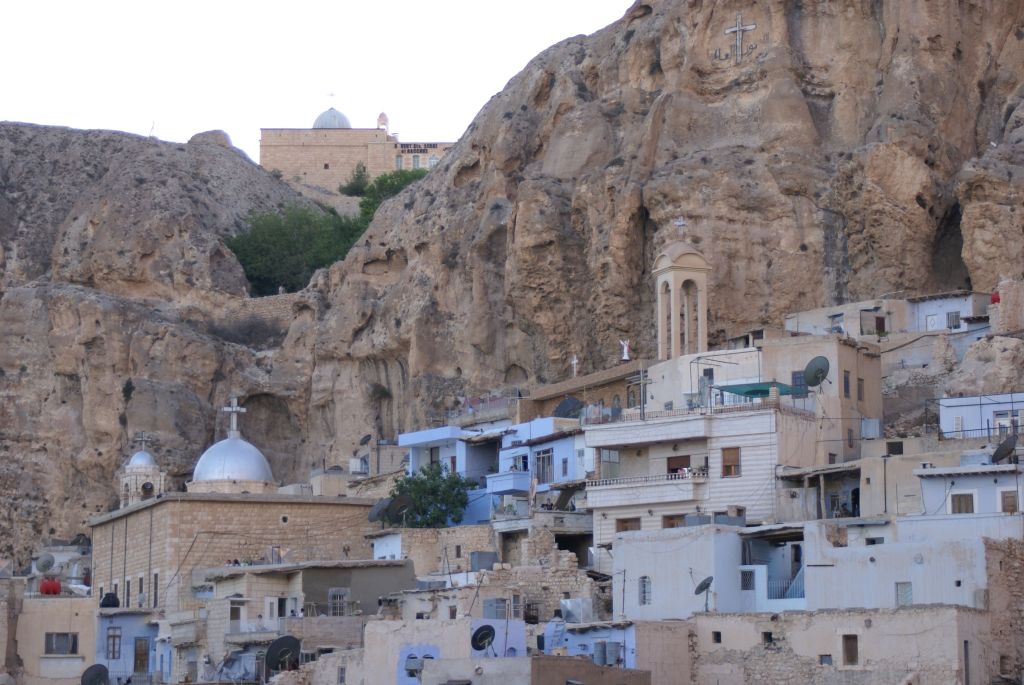
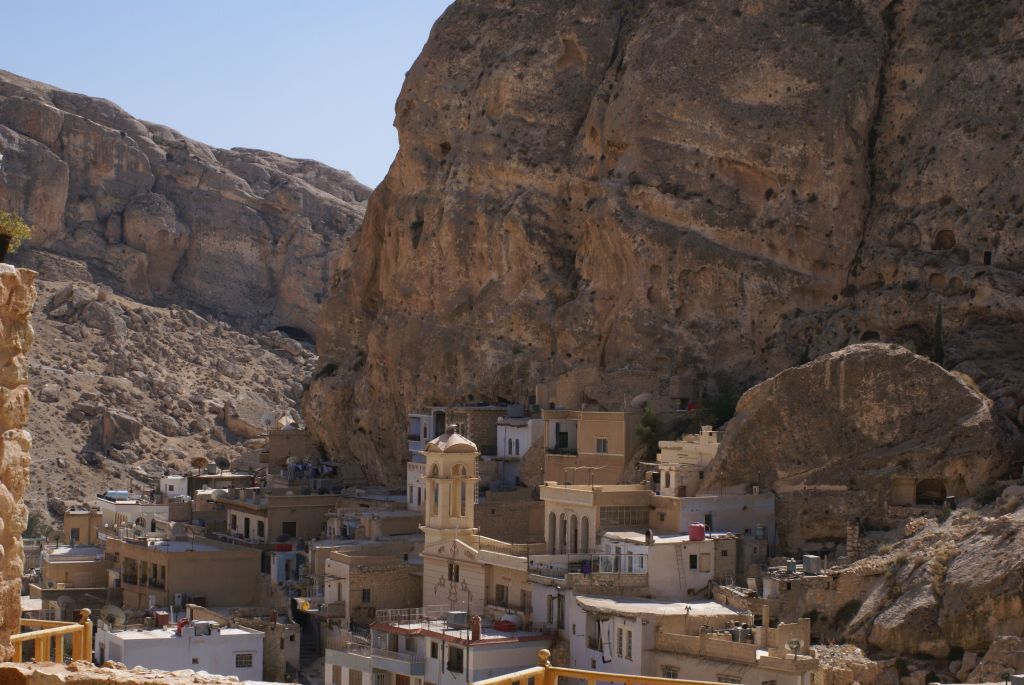
Ma‘aloula is located ca. 56 km northeast of Damascus. It is home to the St. Sarkis Monastery and Convent of Saint Thekla. The monastery is Catholic; the convent is Orthodox. The majority of Ma‘aloula’s residents are Greek-Catholic and speak Syriac (and Arabic, assuredly). They contribute to the preservation of this ancient language.
In 2013, Ma‘aloula was captured by Jabhat al-Nusra. The leader of Hayʾat a Tahir al-Shams (HTS)—the principal power in post-Assad Syria—was the emir of Jabhat al-Nusra. HTS is re-branded al-Qaida and Jabhat al-Nusra, with essentially the same leadership, but since they are anti-Assad and serve Israeli, Turkish, and American interests, they are marketed to idiots as “rebels.”
In any event, several people in Ma‘aloula were killed by Jabhat al-Nusra, and about a dozen nuns taken hostage. Ma‘aloula was liberated in April 2014 by Hizballah and the Syrian Arab Army.
Photo Blog
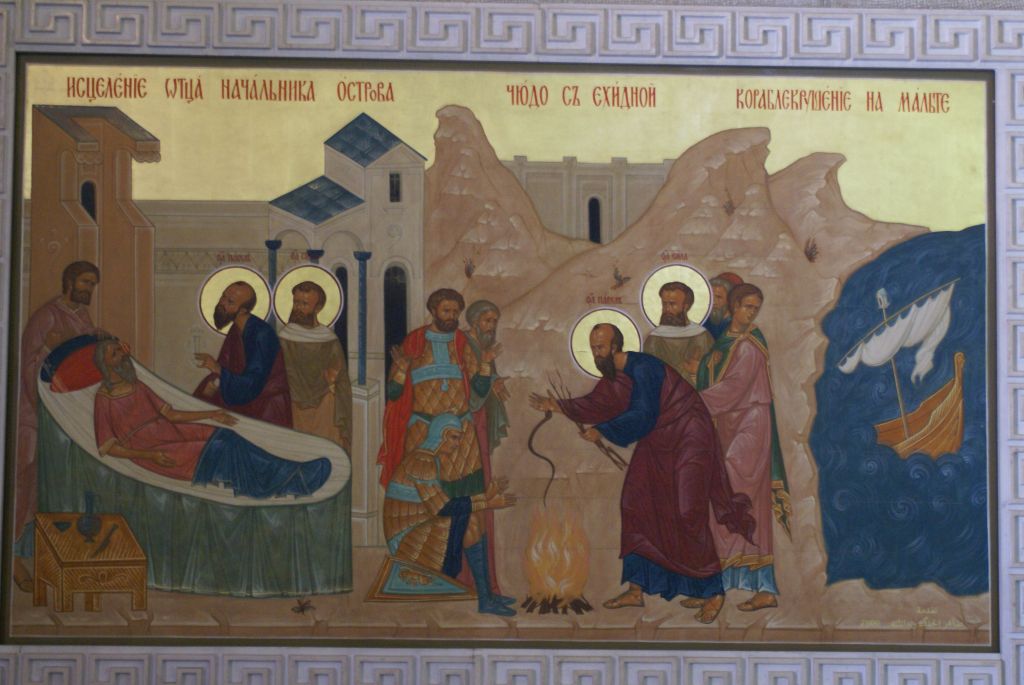
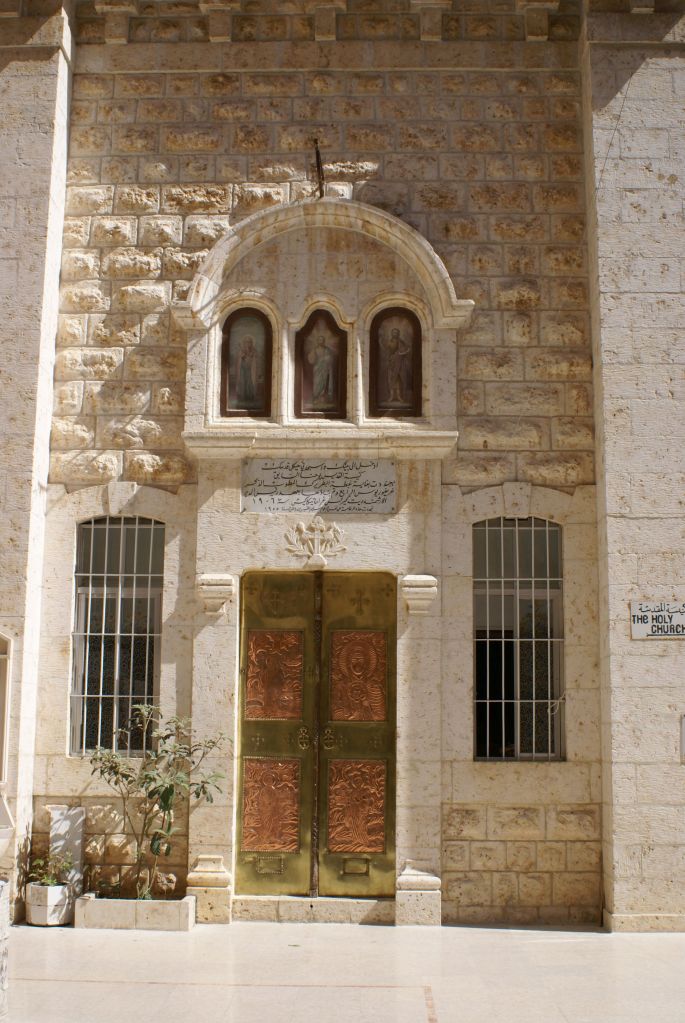
Exemplars from Damascus





Exemplars from Ma‘aloula

 Perspectives
You must be logged in to post a comment.