Another bad idea by Europe and US. Tehran counters ‘maximum pressure’ with ‘maximum pressure.’ If G7/US go ahead and ban Iran Air, Iran will respond forcefully. Ukraine and Israel will pay a heftier price. Here’s why and how.
Category: Iran
Iran-Yemen SITREP
Three distinct but related reports of note from today. (1) US engaged in indirect talks with Iran through Omani mediator: (1) talks were on curbing Iran’s expanding nuclear program; (2) and US asked Iran to throttle Ansarallah’s activities; and (3) Ansarallah tested a hypersonic missile. The reports indicate that major escalation is likely in Red Sea/Gulf of Aden.
Red Sea and Gulf of Aden SITREP
Ansarallah’s spokesman Brig.-Gen. Yahya Sariʾi announces new phase of operations against US and UK naval coalition that included a swarm attack of 37 drones at naval vessels; and several anti-ship ballistic missiles at an American merchant vessel.
Democratization of Warfare: Abrams vs. Ghoul
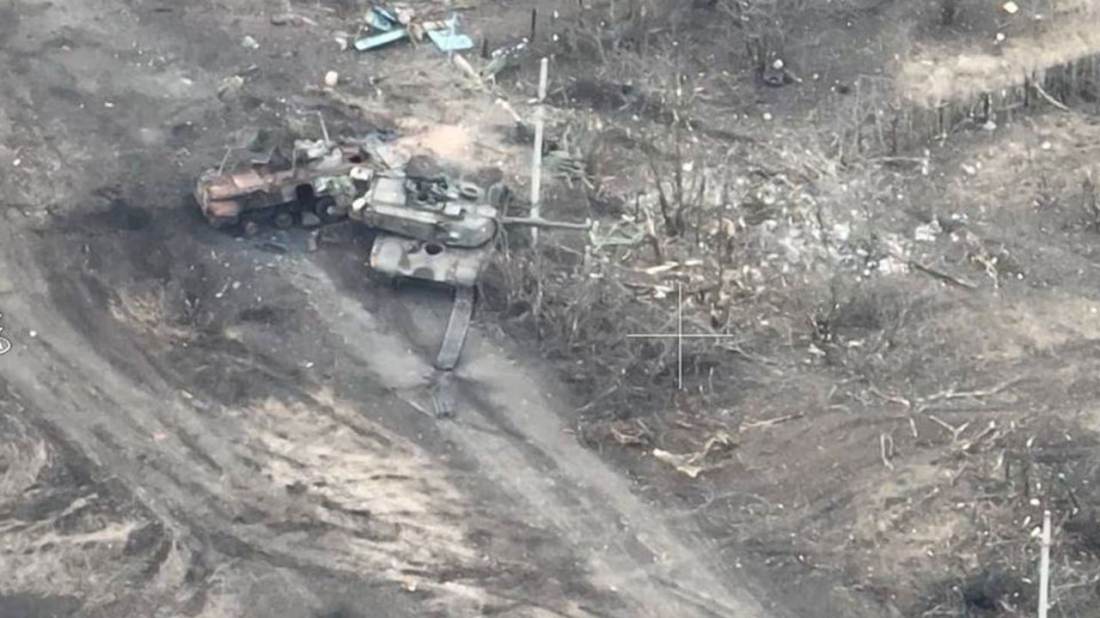
The duel on the Ukrainian battlefield, where vaunted American Abrams M1/AI tanks fell to Russian ‘Ghoul’ FPV drones, indicates that U.S. Army land warfare doctrines are due for re-evaluation. The multi-million-dollar tanks were easily felled by $500 drones. Re-thinks by strategists at the U.S. Army War College are overdue.
‘Coalition of the Sanctioned’: Iran–Russia–China ‘Tripartite Alliance’ (Part 1)

Essay evaluates the maturing ‘Tripartite Alliance’—Russia, China, Iran—at the two-year anniversary of the Ukraine War, which fused the Alliance. Anger at U.S. and NATO transformed hitherto wary allies into partners. Part 1, background; Part 2, cooperation—with emphasis on Iran-Russia military and intelligence exchanges. How will the Iran-Russia military relationship impact on U.S. and Israel?
Tehran’s Responses to ‘Maximum Pressure Campaign’ and ‘Bomb Iran’ Threats
Nobody likes a bully; and USA is a loud-mouthed bully. Iranians resent 125+ years of foreign interference in their affairs. Tehran has responded to USA’s ‘maximum pressure’ and ‘bomb Iran’ threats by enhancing Anti-Access/Area Denial (A2/AD) capacities. IRGC can ‘kill’ US aircraft carriers outside Persian Gulf. Iran is prepared for an ‘inevitable war.’ Washington underestimates Iranian tenacity and military technologies
Fortifications of the Pre-Modern Islamic World: Shadiyakh, Nishapur (Khurasan, Iran)
Nishapur has the dubious distinction of being ruined frequently by earthquakes and invaders. It was home to Omar Khayyam and Farid al-Din Attar, and devastated in AH 618/AD 1221 by the Mongol army commanded by Tolui, Chingiz Khan’s son. An overview of the fortifications of Nishapur; and excavation at Shadiyakh palace, HQ of Abdallah b. Tahir, Khurasan’s Abbasid governor
Fortifications of the Pre-Modern Islamic World: Introduction
Introduction to a series on fortifications of the Islamic east, and the changing character of war. In this first post, a brief look at the layout of Fort Juwayn, Khurasan (a province split between Iran and Afghanistan), as it stood in 1884
War of the Flea in the Red Sea
Robert Taber’s classic study offers insights into Ansarallah’s (Houthi’s) Red Sea campaign. Five characteristics of ‘protracted war’ apply to Yemen. ‘Popular support’ in is with Ansarallah. This is demonstrated every Friday by the millions of Yemenis that assemble after prayers to support Palestine and oppose U.S./UK airstrikes. Even Ansarallah’s civil war enemies have drifted to their camp.
Ansarallah and Royal Navy: Lesson from the Falklands War
Argentina’s sinking of HMS Sheffield in 1982 offers a lesson on how Ansarallah can defeat British aggression against the Yemeni people. Sheffield’s demise sent shockwaves through Britain. But Britain had a path to victory in the Falklands that it does not have in the Red Sea. If Ansarallah sinks a Royal Navy ship, which they can, it will likely end the British mission. It almost certainly will end Rishi Sunak’s premiership.
 Perspectives
You must be logged in to post a comment.