On UNESCO World Cities Day 2025, Kashan was recognized by UNESCO as a “creative city of architecture,” joining cities like Rome, Paris, and Barcelona. Kashan is “celebrated for its sustainable architecture and rich civilizational heritage.” But Kashan is renowned in history not just for Iranian-Islamic architecture, but also for Islamic art, magnificent silk and cotton woven carpets, and ceramics (Kashan ware). Survey of an ancient and thriving Iranian jewel, accompanied by videos, photos, and links for further readings.
Category: Islamic History
FBI Scrubbing “Most Wanted” List of al-Jawlani, leader of HTS
The FBI is scubbing its “Most Wanted” list of references to Muhammad al-Jawlani, the leader of Hayʾat a Tahir al-Shams (HTS)—the principal power in post-Assad Syria. He was the emir of Jabhat al-Nusra, the al-Qaida affiliate in Syria. An image of his “Most Wanted” poster has been preserved, along with a link not yet deleted by the FBI. al-Jawlani is being presented to the public as “rebel,” and according to an interview he recently did with CNN, “a kinder, gentler, and woker” Islamist! Ya Allah!
Geography in History
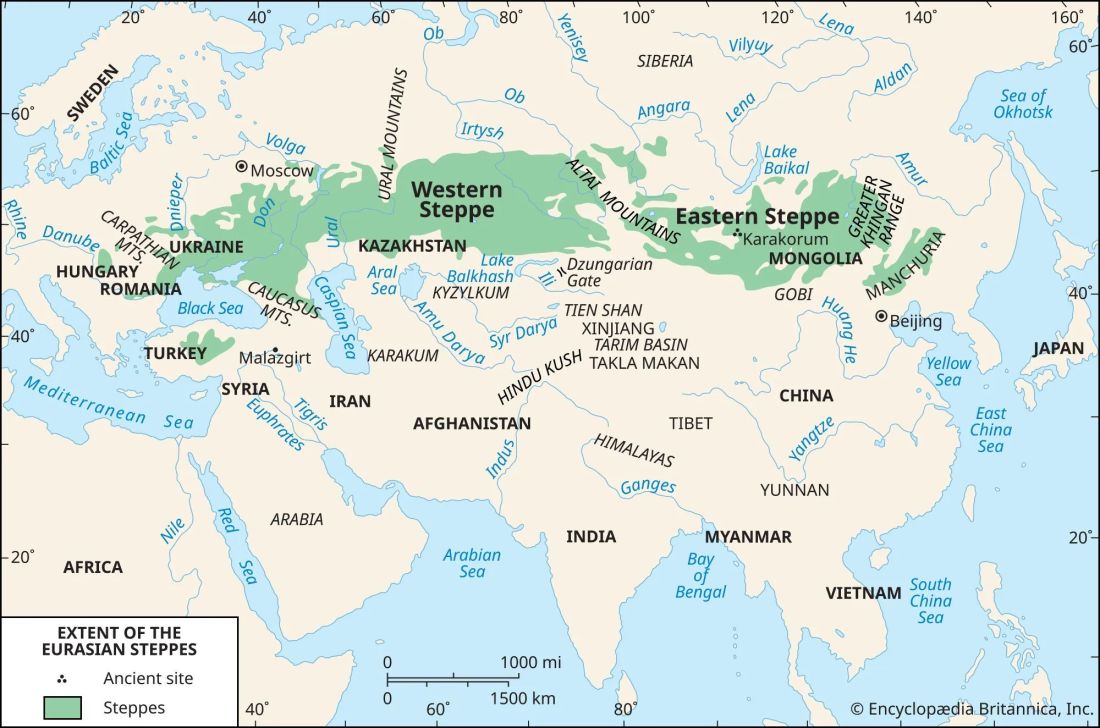
Geography plays key roles in shaping history, which is less appreciated by policy makers today than by pre-modern peoples. An essay with titles relating to geography and theory; Eurasian Steppe; Greater Iran; climate, environment, and Eurasian migrations.
Tamerlane and the Irascible Holy Man
Zayn al-Din Taybadi (d. 791/1389) is a captivating mystic of Mongol Iran. He was an irascible man, remembered by historians for his rudeness to Tamerlane (Temür; d. 807/1405). He in effect told Tamerlane (as New Yorkers like to say), to “take a long walk on a short pier.” This is the story.
Ayatollah Khamenei’s Letter to the Columbians
My analysis of Ayatollah Khamenei’s 29 May 2024 letter to US students was just published by PressTV. The essay is, “Ayatollah Khamenei’s letter to US students shaped by insightful reading of history, politics.” I concur with his assessment that “As the page of history is turning, you are standing on the right side of it.” Americans students, especially students at my alma mater, Columbia University, will be squarely on the right side of history, just as they were with the Vietnam War protests in the 1960s and anti-apartheid protests in the 1980s.
Afghanistan Studies: Garbage-in, Garbage-out
Christian Bleuer has been maintaining the massive “Afghanistan Analyst Bibliography” since 2004. Bleuer just published the final edition (29 April 2024), accompanied by an essay titled, “The State of Research on Afghanistan: Too many poor quality publications and some real gems.” Links included at post.
Syria Travelogue (Part 1)
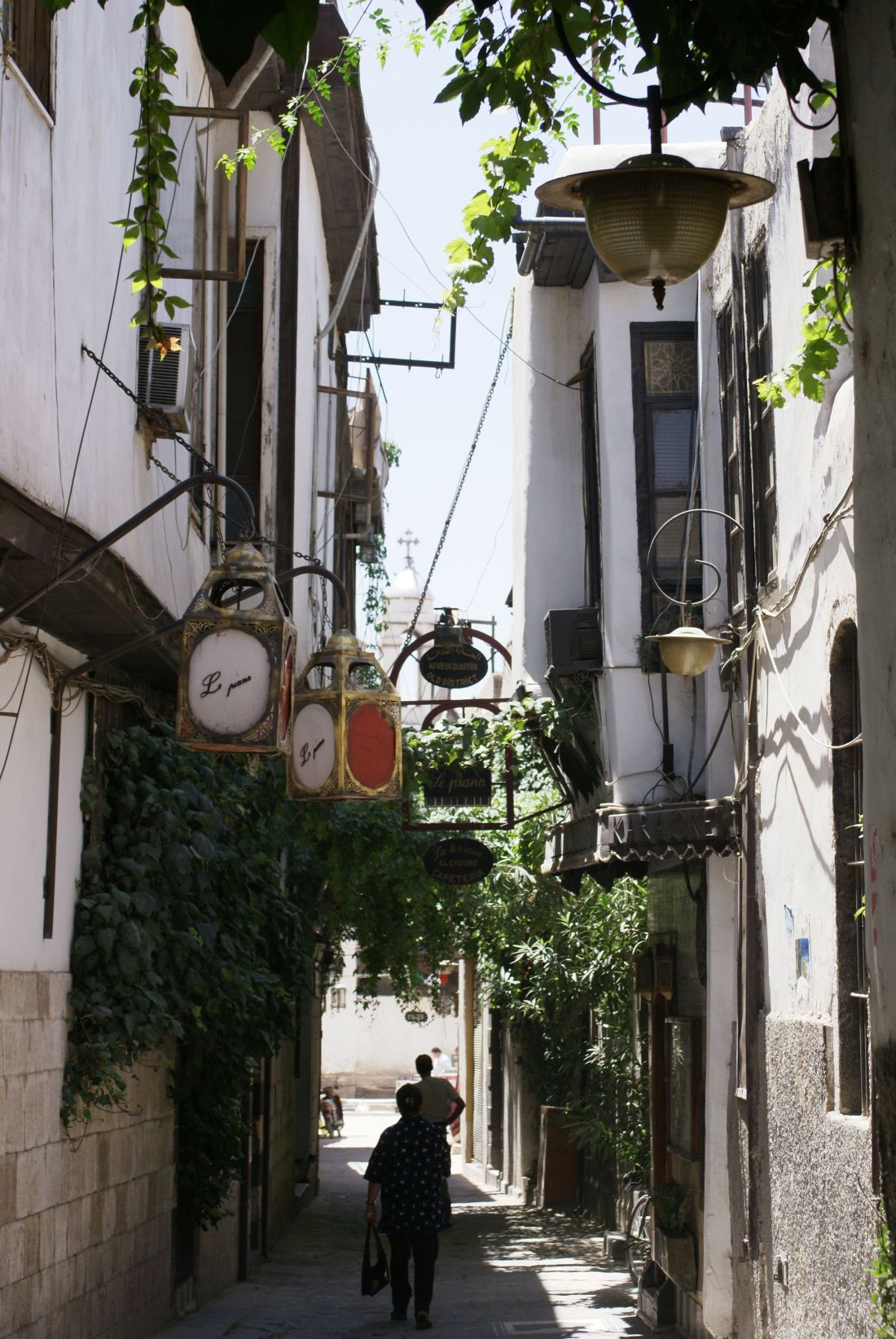
Writing about political and military developments in the Middle East has distracted me from writing about my primary interests: travels, peoples, cultures, religion, and history. A short photo essay about my student days in Damascus in the 2000s when I studied Arabic at Damascus University
Fortifications of the Islamic World: Herat’s ‘Kartid Wall’
Pre-modern cities of the Islamic World often had a perimeter wall to protect the city’s suburbs from predators seeking to plunder the city and seize men, women, and children to be used as slaves or sold in slave markets. Herat, Iran (now part of Afghanistan), had such a perimeter wall
A Note on Pathans (Pashtuns or Afghans)
Note on the term ‘Afghan’ as an ethnonym and ‘Afghanistan’ as a toponym based on pre-modern histories and geographies.
Fortifications of the Pre-Modern Islamic World: Shadiyakh, Nishapur (Khurasan, Iran)
Nishapur has the dubious distinction of being ruined frequently by earthquakes and invaders. It was home to Omar Khayyam and Farid al-Din Attar, and devastated in AH 618/AD 1221 by the Mongol army commanded by Tolui, Chingiz Khan’s son. An overview of the fortifications of Nishapur; and excavation at Shadiyakh palace, HQ of Abdallah b. Tahir, Khurasan’s Abbasid governor


You must be logged in to post a comment.