Russia’s “Oreshnik” Missile System

A classic tale of FAFO. The U.S. quit INF in 2019, freeing Russia to renounce its obligations under INF, and to produce intermediate-range missiles. After the geniuses in Washington and London authorized use by Ukraine of their missile systems to strike inside Russia, the Kremlin showed just one of its newest missile systems: Oreshnik (“Hazel). It’s a beauty. What else does Russia have in store for NATO?

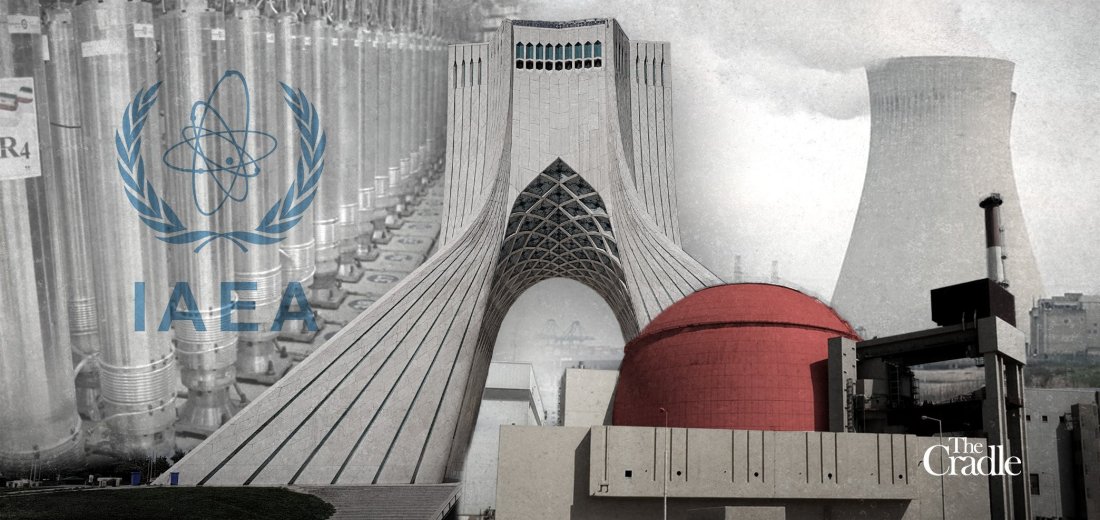
IAEA’s Gift to IRGC

UK, France, and Germany, instigated by US and Israel, promoted an anti-Iran resolution before the Board of Governors of the International Atomic Energy Commission. It passed. This was a gift to Iran’s Islamic Revolutionary Guard Corps (IRGC). Another “L” (loss) and “own goal” by the Anglo-American foreign policy establishment.

Israel’s Failed Attack and Iran’s Air Defense Systems

Iran’s air defenses (AD) excelled against IDF during Israel’s strikes on 25/26 October 2024. IDF encountered “an unknown air defense system”—probably advanced anti-stealth technology—and aborted the bombing mission. If stealth technology was defeated, the foundations of US/NATO/IDF air superiority collapses. Focus here, however, is on implications for Iranian national security. If Iran does indeed have effective AD systems, while Israel’s AD systems can be penetrated by IRGC (twice proven), Iran can open the gates of hell for Israel.

Why Iran Must Respond to Israel’s Aggression

Israel attacked Iran on 25/26 October 2024. The strike failed (miserably) but killed one Iranian civilian and four soldiers, and caused minimal damage to military facilities. Tehran has indicated that harsh response is forthcoming. The essay articulates reasons why Iran must deliver a harsh strike against Israel.

Strategikon of Maurice: Book XI, § 1, “Dealing with the Persians”

Strategikon, a practical military manual of lasting influence, is attributed to Maurice (r. 582–602), last of the Justinian emperors of Byzantine. His chapter on the Persians (Iranians) is revealing of mindset vis-à-vis Iranian fortitude and patience; and military and diplomatic strategies. This holds true today. I have reproduced in pertinent part two paragraphs from Strategikon with annotations that relate to the current military situation.

Russia’s Economic Windfalls from the Ukraine War

Russia is experiencing higher budget outlays in prosecuting the Ukraine War, but these expenditures should be considered “investments” because they will generate revenue streams for decades after the war. Russian investors have acquired at steep discounts the multi-billion dollar investments made in Russia by foreign companies; and the Russian Federation will annex many of Ukraine’s most fertile agricultural lands; and lucrative hydrocarbon reserves and mineral deposits.