Geography plays critical roles in shaping history, which is less appreciated by policy makers today than by pre-modern peoples. An essay with titles relating to geography and theory; Eurasian Steppe; Greater Iran; climate, environment, and Eurasian migrations.
Man, Topography, Environment
The Tunisian, Ibn Khaldun (d. 1406), is lauded as the first sociologist who wrote Muqaddimah (or the “Introduction”), “a philosophy of history…” (download: Internet Archive). Inherent to his philosophy showing how complex political, economic, psychological, and sociological factors shaped his subjects—Arabs and Berbers—is their geographical environment. Ibn Khaldun demonstrates how nomadic peoples were hardened by their lifestyles-environment; whereas sedentary peoples were softened by their lifestyles-environment. Environments influenced politics, martial abilities, cultural outputs, and socio-economic interactions. Related to the connections of man to topography is “topophilia”—the “affective bond between people and place.” The term was popularized by Prof. Yi-Fu Tuan (d. 2022) in Topophilia: A Study of Environmental Perceptions, Attitudes, and Values.


The Eurasian Steppe
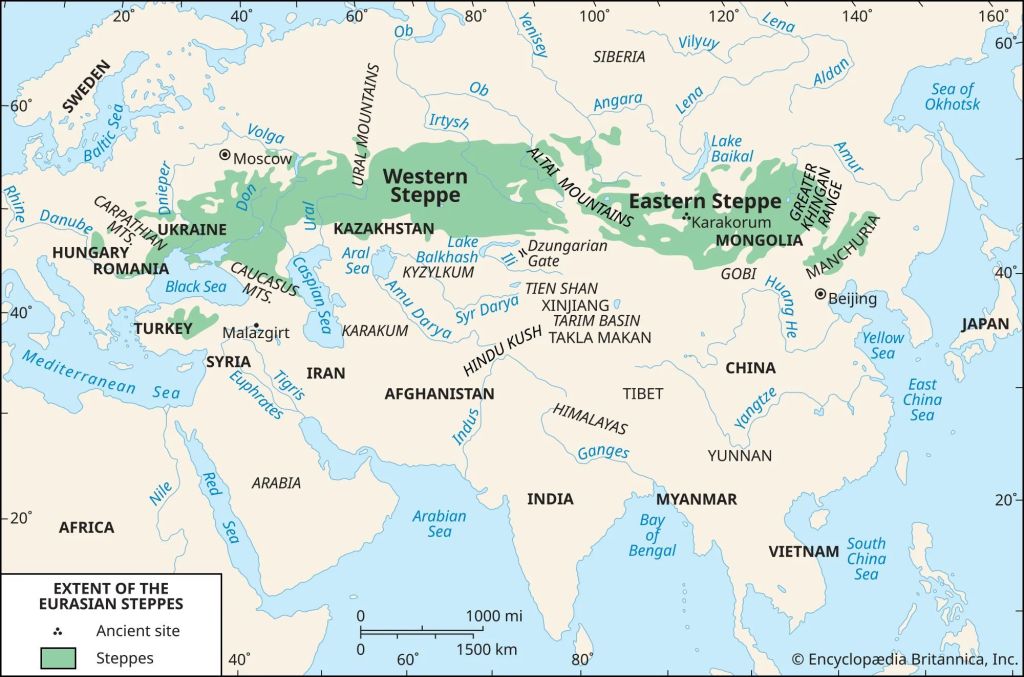
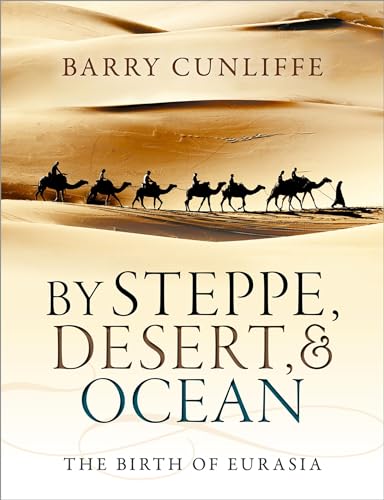
Barry Cunliffe’s By Steppe, Desert, and Ocean spans 10,000 years of Eurasian history. Cunliffe situates Eurasia in history as a nursery for peoples, cultures, ideas, and socio-economic exchanges. I shall let the review of this masterful study speak for itself.
A related title on Eurasia but with different approaches is The Eurasian Steppe by Warwick Ball. Ball discusses his book and the steppe with William Dalrymple at a forum held at the British Library. Dr. Ball was the editor-in-chief of Afghanistan, which he co-founded with me in 2016-17.
Climate Change in the Medieval Period and Turkic Migrations into Anatolia and Iran
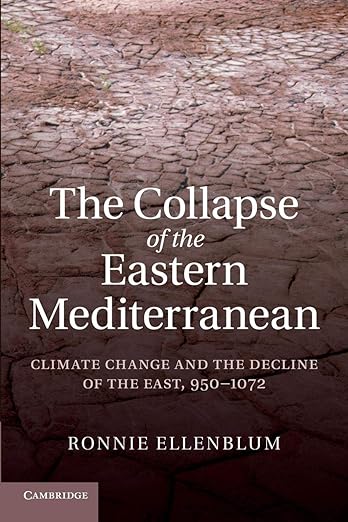
Turkic peoples are ethno-linguistically diverse and emerge from the eastern and western realms of the Eurasian Steppe. “Barbarian hordes”—Scythians, Huns, etc. —had been migrating westwards for centuries. Romans believed that a “people hatchery” existed in the east! In the 10th-century, climate change—extreme cold and snows—compelled Turks to migrate into Anatolia, Caucasus, and Iranian Plateau. They changed history, not just in the Islamic World, but also Europe and India.

Geography and Foreign Policy
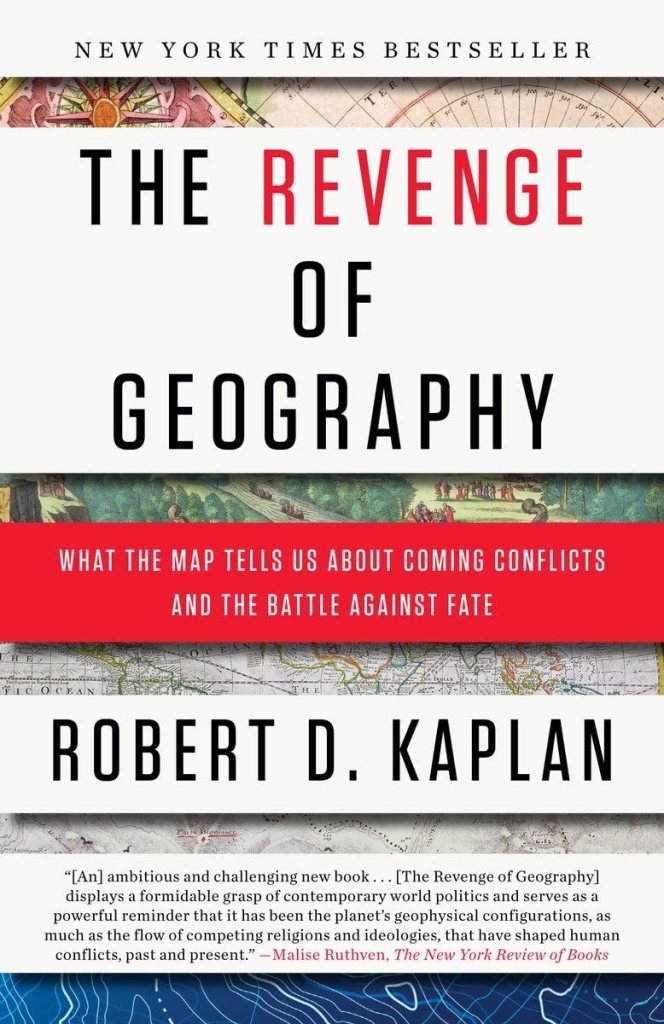
Robert Kaplan’s The Revenge of Geography is recommended because he shows how policy makers, particularly following the demise of the USSR, started overlooking the imperatives of geography, topography, and connections between peoples and their lands. He offers examples from the Balkans to the Iraq War. A review by Foreign Affairs is linked here.
 Perspectives
You must be logged in to post a comment.